
Official event highlight
INSS 2026 Official Event Highlight
Highlights from the Inclusion and National Security Summit 2026.
Watch on Instagram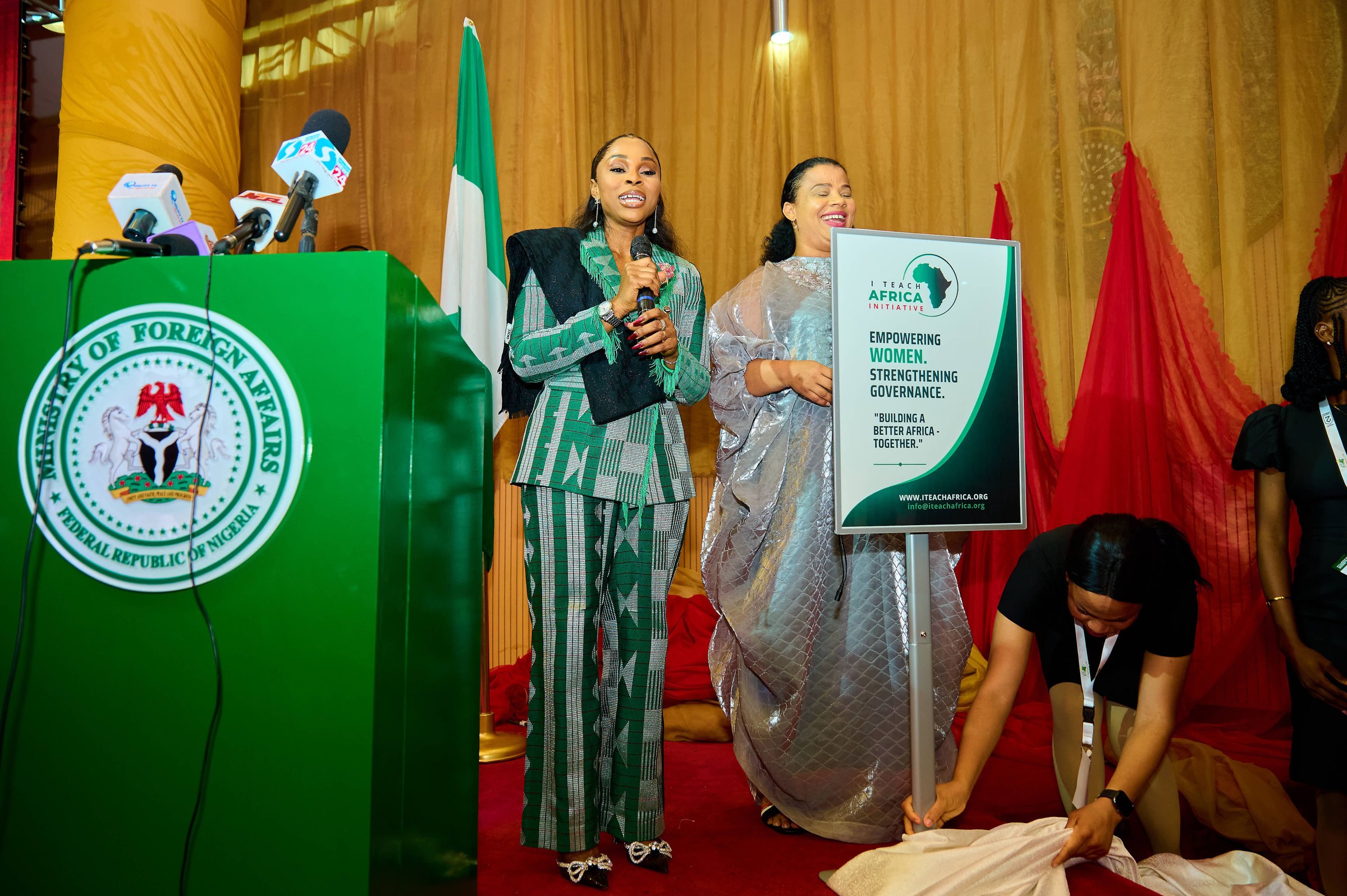
Official summit review · Event concluded
Inclusion & National Security Summit 2026
Advancing Women’s Leadership for Inclusive Governance and Security
21 August 2026 · Abuja, Nigeria
INSS 2026 in moments
Official event highlight
Highlights from the Inclusion and National Security Summit 2026.
Watch on InstagramAbout INSS 2026
A national conversation on the relationship between inclusion, governance, peacebuilding, and security.
Organised by iTeach Africa Initiative and Empower Her for Governance Initiative, INSS 2026 brought together policymakers, security stakeholders, women leaders, community representatives, civil society, and development voices.
The summit examined how Nigeria can build lasting security when people have a meaningful stake in public life—and when women are equipped, represented, and able to influence decisions.
Meet the convener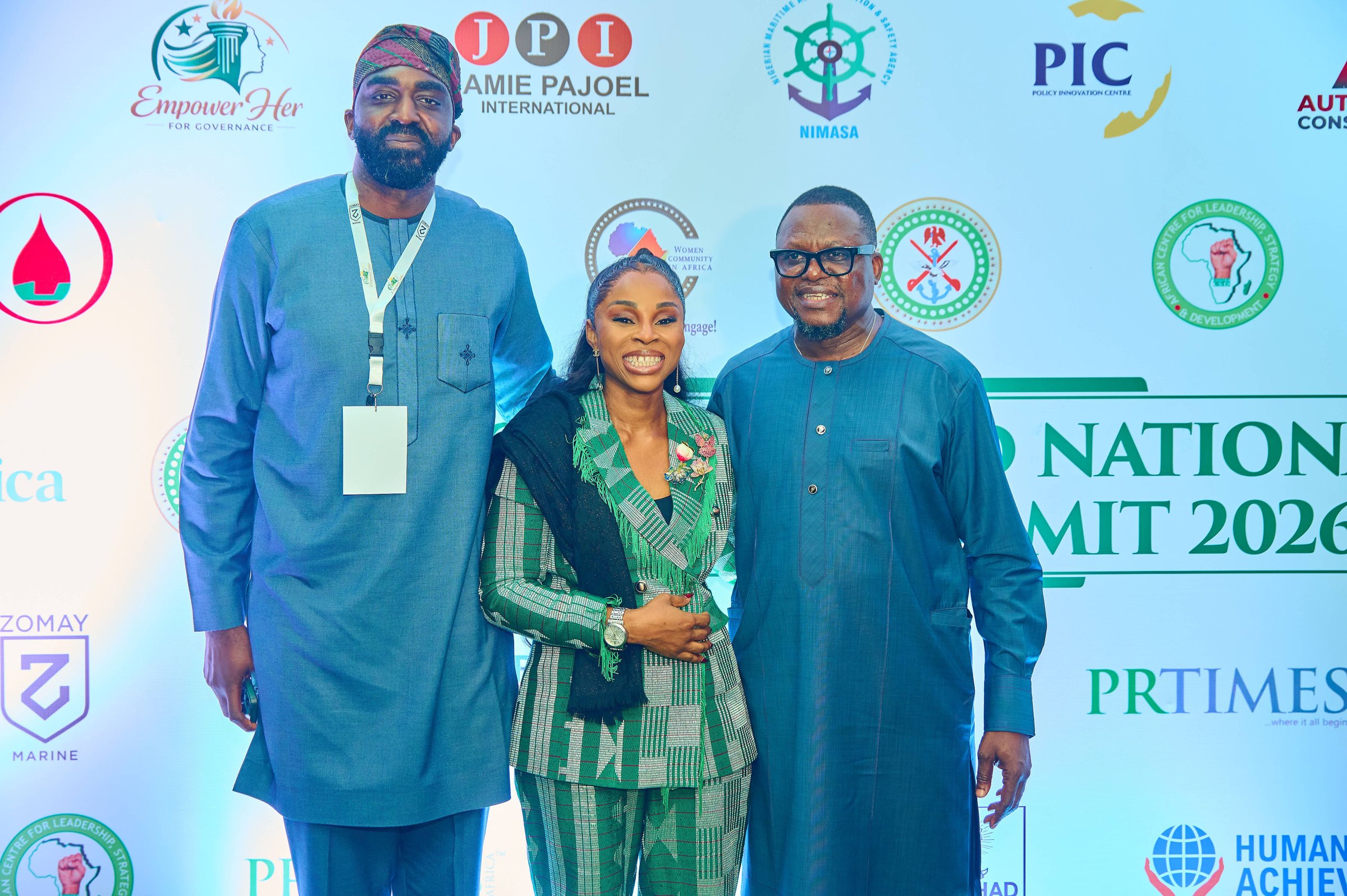
Programme overview
The proceedings connected opening remarks and keynote contributions with women’s leadership discussions, security perspectives, documentary storytelling, remembrance, and closing reflections.
Explore the conversationsParticipation & reach
Summit figures supplied by iTeach Africa’s communications team. Online reach is separate from in-person attendance.
INSS 2026 themes
The discussions connected women’s participation with the institutions, opportunities, and community relationships that underpin security.
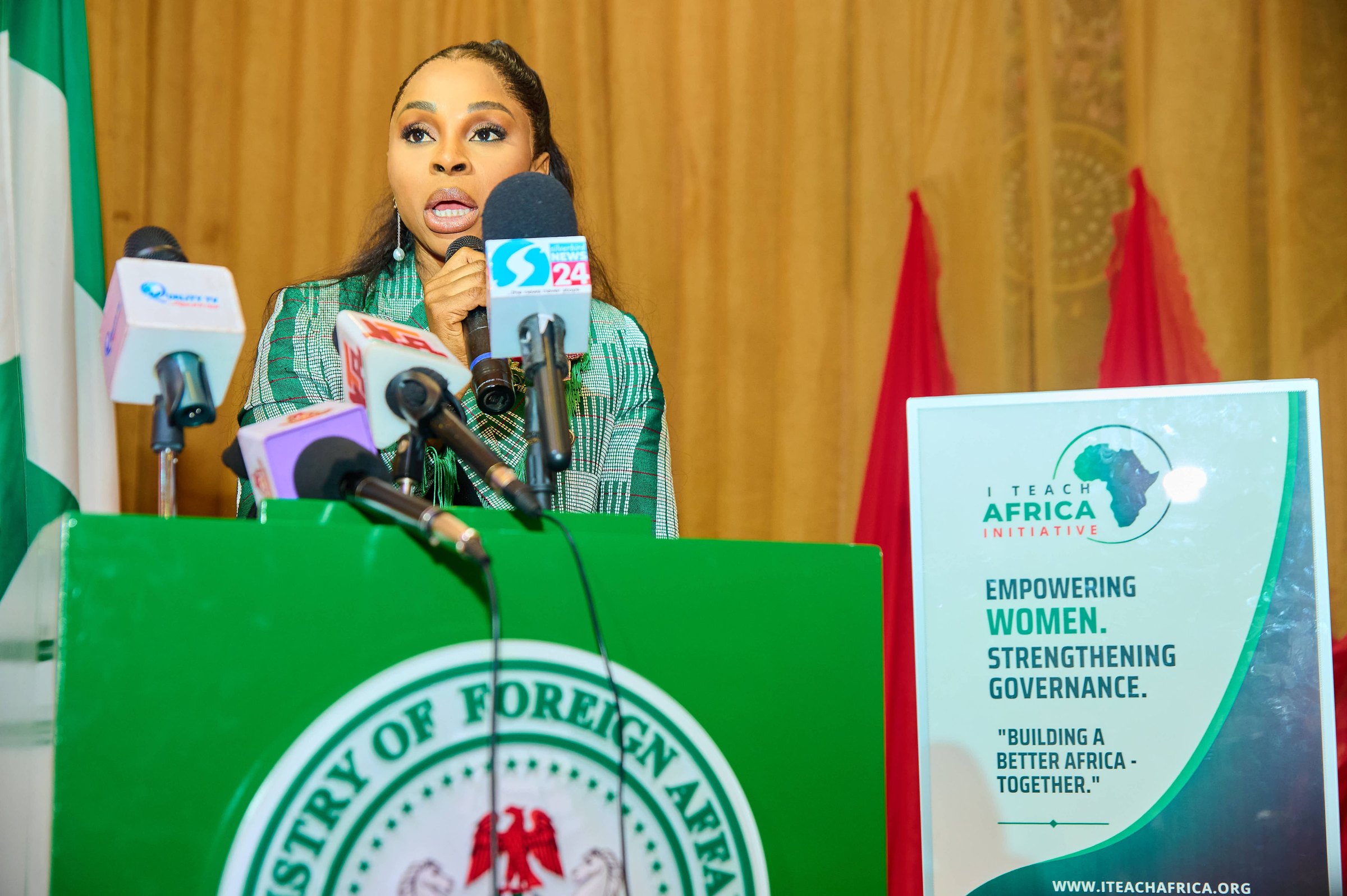
Authority · Participation · Mentorship
Women’s leadership was discussed as a national capacity. Contributions called for real authority, institutional support, and opportunities to influence decisions.
Accountability · Institutions · Citizen Voice
The conversations connected leadership and public trust with national stability, emphasising accountable institutions and participation beyond symbolic representation.
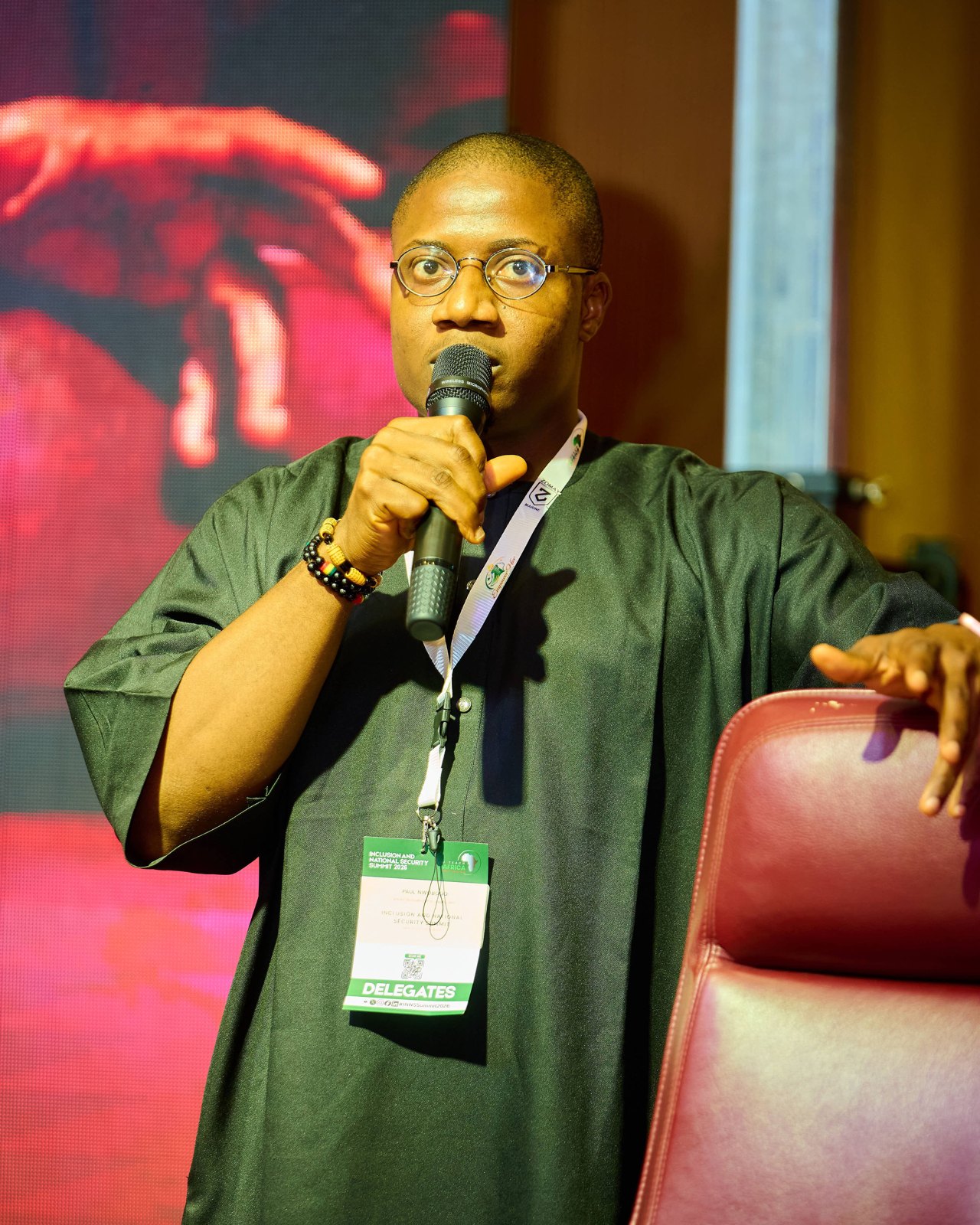
Niger Delta Lessons · Livelihoods · Inclusion
The Niger Delta experience illustrated how lasting peace depends on addressing grievances, widening opportunity, and giving citizens a meaningful stake in society.
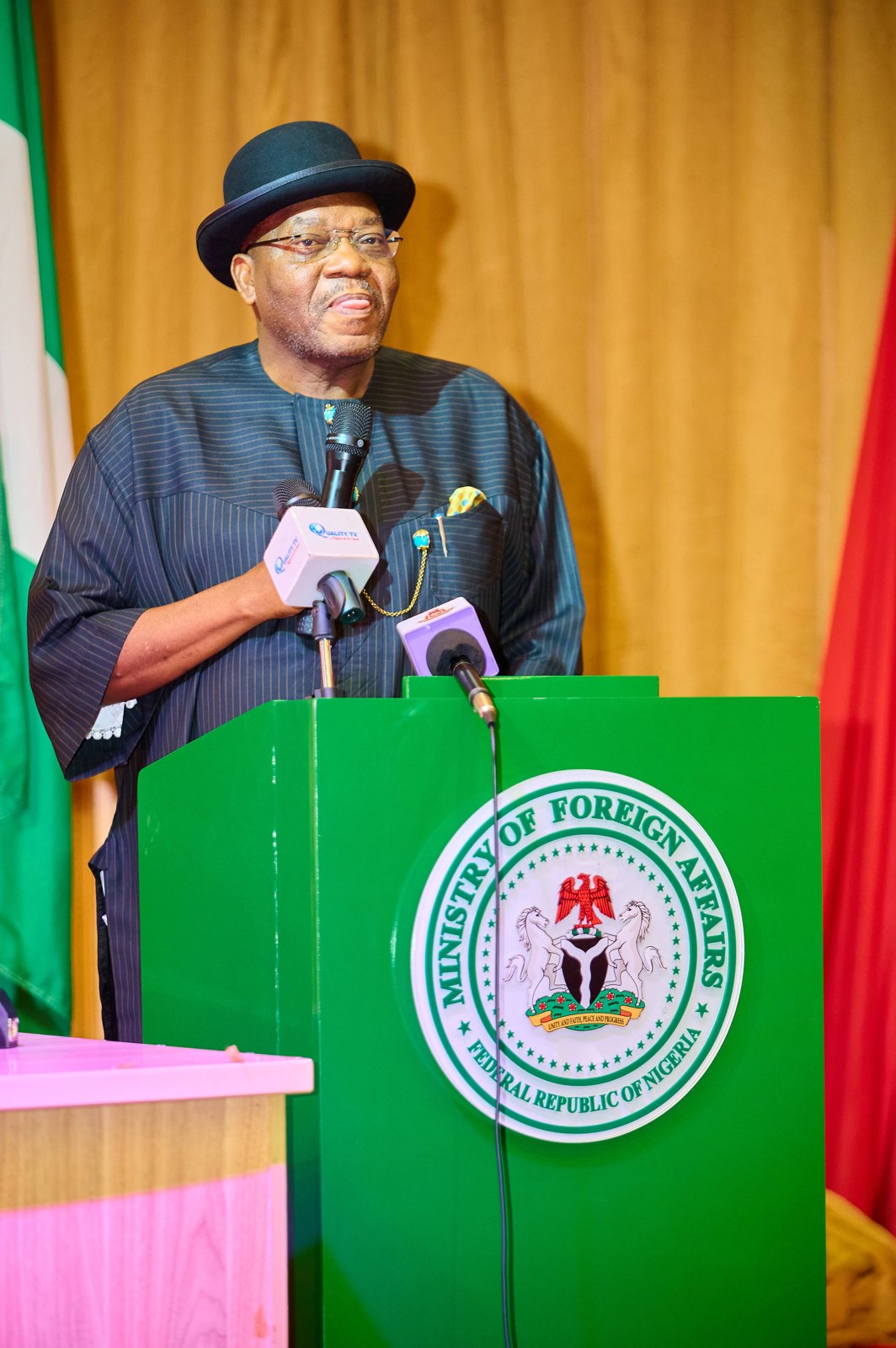
Early Warning · Prevention · Peacebuilding
Women’s knowledge of community realities was recognised as an asset for conflict prevention, early warning, and security responses that reflect the people they serve.
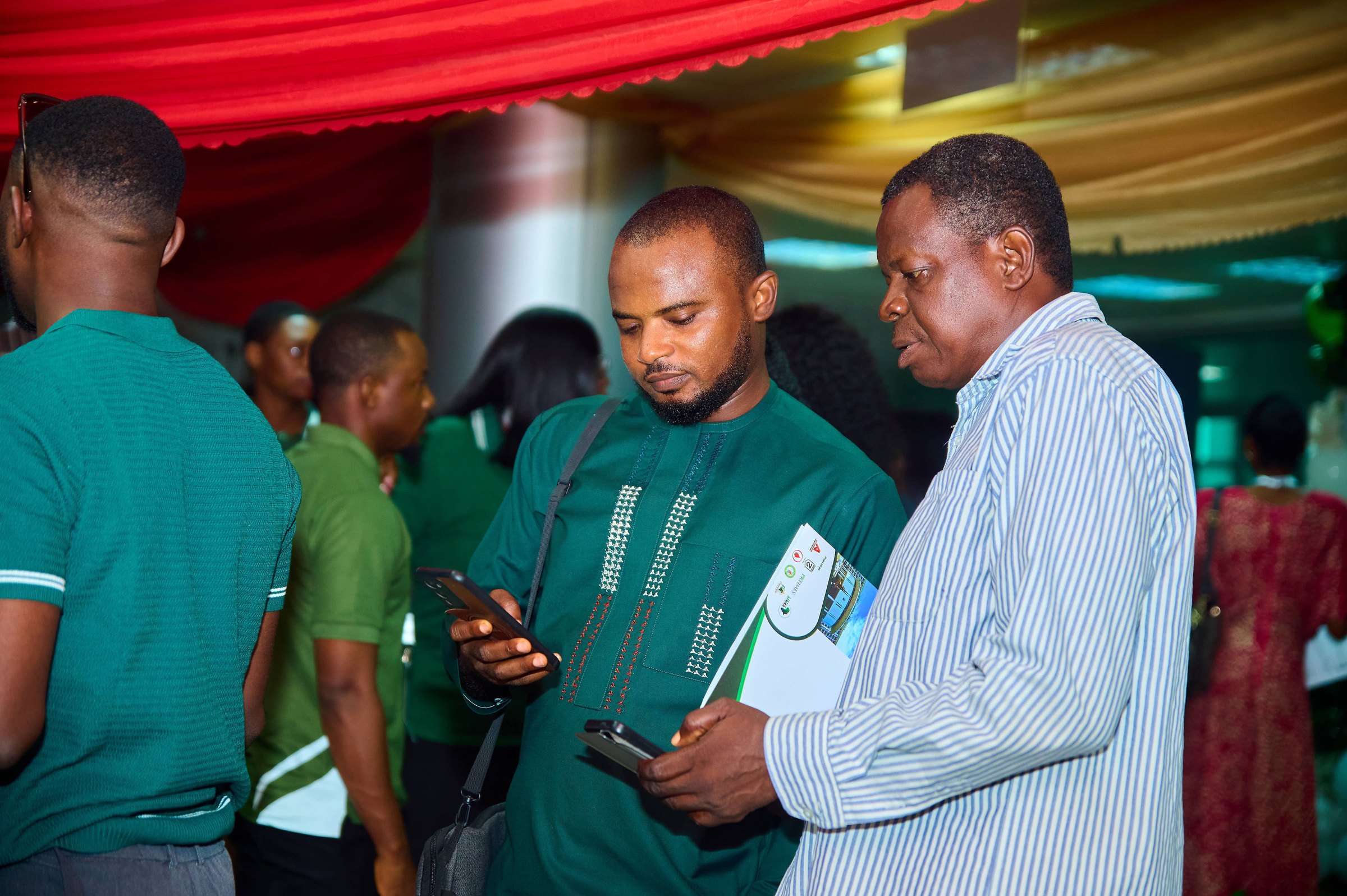
Education · Professional Development · Mentorship
Contributions highlighted the need to prepare and support women for leadership through education, mentoring, experience, and access to public decision-making.
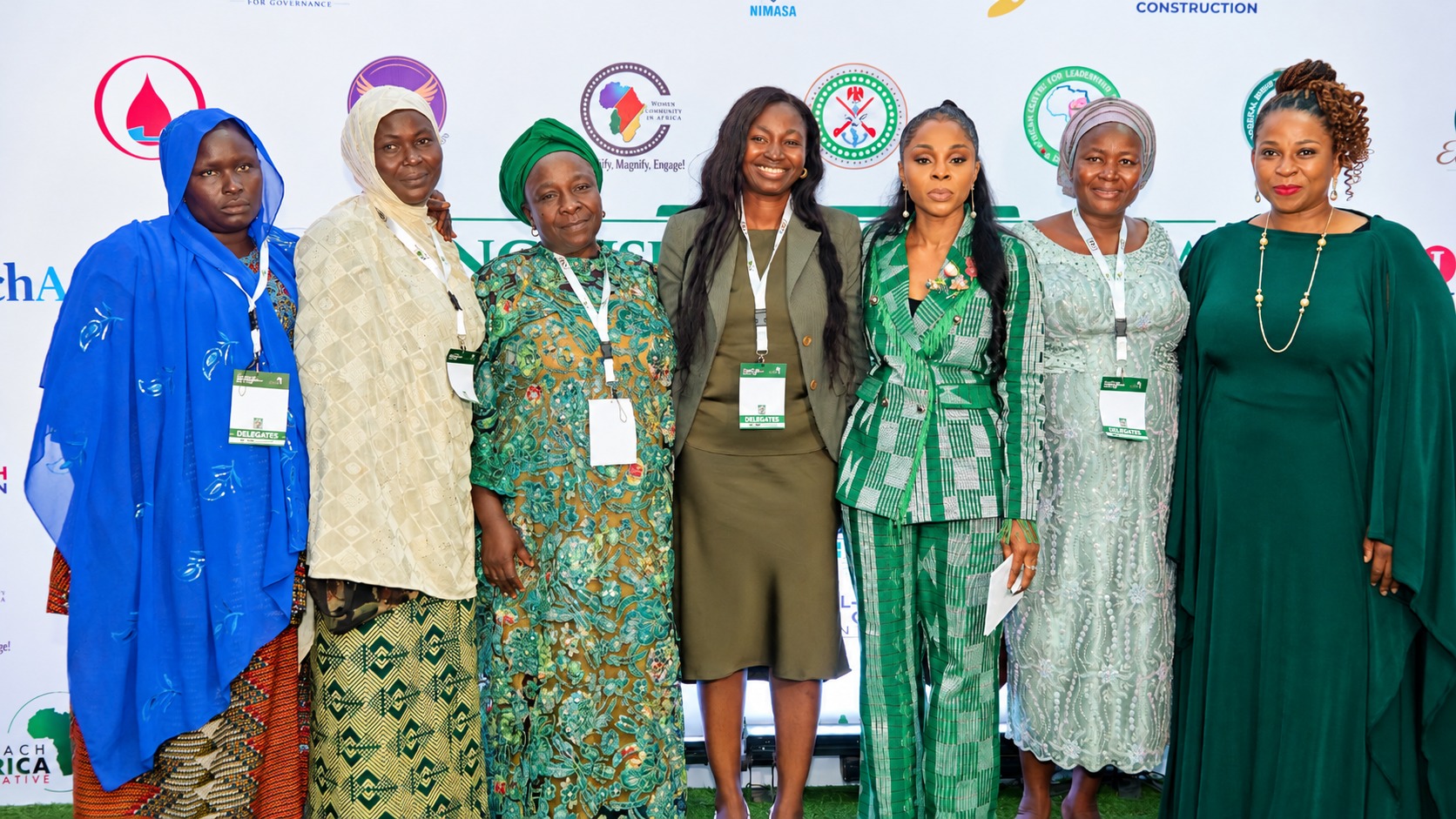
Remembrance · Education · Courage · Justice
Documentary storytelling and remembrance placed lived experiences alongside policy dialogue, reminding participants that the consequences of insecurity extend beyond statistics.
Leadership & institutional perspectives
Convener · Founder & Director General, iTeach Africa Initiative
Framed inclusion as a practical pathway to a safer nation and called for women to help shape the solutions.
Founding Executive Director, Centre LSD
Connected inclusive governance, transformational leadership, and Nigeria’s long-term stability.
Niger Delta governance and peacebuilding perspective
Examined justice, opportunity, and belonging as foundations for sustainable national security.
Director-General, Plateau State Peace Building Agency
Called for women’s existing leadership in peacebuilding to be recognised, supported, and institutionalised.
Summit moderator · Broadcast journalist
Guided the conversations and the transitions between contributions, reflection, and shared dialogue.
Address delivered by Nkiruka Jones-Nebo
Highlighted inclusive institutions, mentorship, and pathways for women to advance in public service.
Represented at the summit
Emphasised security beyond the battlefield and women’s contribution to prevention and security effectiveness.
Women’s leadership contribution
Reinforced women’s roles as stakeholders, leaders, and contributors to nation-building.
Message from the convener
“Inclusion is a security imperative.”
Ebimoboere Alaibe Elezieanya’s welcome placed women’s lived experiences and community knowledge at the heart of the conversation. Her call was for shared responsibility: institutions and communities working together, with women heard and empowered to shape the solutions.
Ebimoboere Alaibe ElezieanyaConvener · Founder & Director General, iTeach Africa Initiative
Official summit review
Lasting security requires meaningful participation, public trust, and institutions that listen to their communities.
Women’s experiences and leadership strengthen conflict prevention, peacebuilding, and public decision-making.
A seat at the table needs authority, resources, and institutional support to become meaningful participation.
Security responses must engage the conditions and grievances that allow insecurity to persist.
Education, mentorship, and professional development help more women move into governance and public service.
“Women have long been ready. Women are already leading.”
Mrs. Julie Sanda · Director-General, Plateau State Peace Building Agency
Films, reflection & remembrance
Videos presented during the summit, including For Halima’s Sake and a remembrance for victims of terrorism.
Screened during the summit break
A video played during the event break.
Watch on InstagramScreened at INSS 2026
The For Halima’s Sake video presented as part of the summit proceedings.
Watch on InstagramRemembrance screening
A remembrance video honouring victims of terrorism.
Watch on InstagramParticipation & collaboration
The summit connected institutional leadership with the people and communities whose lives are shaped by governance and security decisions.
Partner with the continuing work
Support leadership development, mentorship, civic engagement, and programmes that widen women’s opportunities to participate in governance and peacebuilding.
Partner with iTeach AfricaLeadership · Inclusion · Participation
From convening to continuing engagement
Advocacy and mobilisation built the conversation around women’s leadership, inclusion, and the relationship between governance and security.
The summit brought institutional, community, and leadership perspectives together through contributions, reflection, storytelling, and dialogue.
Continued engagement included the Jos visit and award presentation to Mrs Julie Sanda by Programme Director Ms Hadizah Otoro, alongside ongoing leadership conversations and storytelling.
Films & conversations
Summit highlights, community engagement, and conversations on women’s representation.
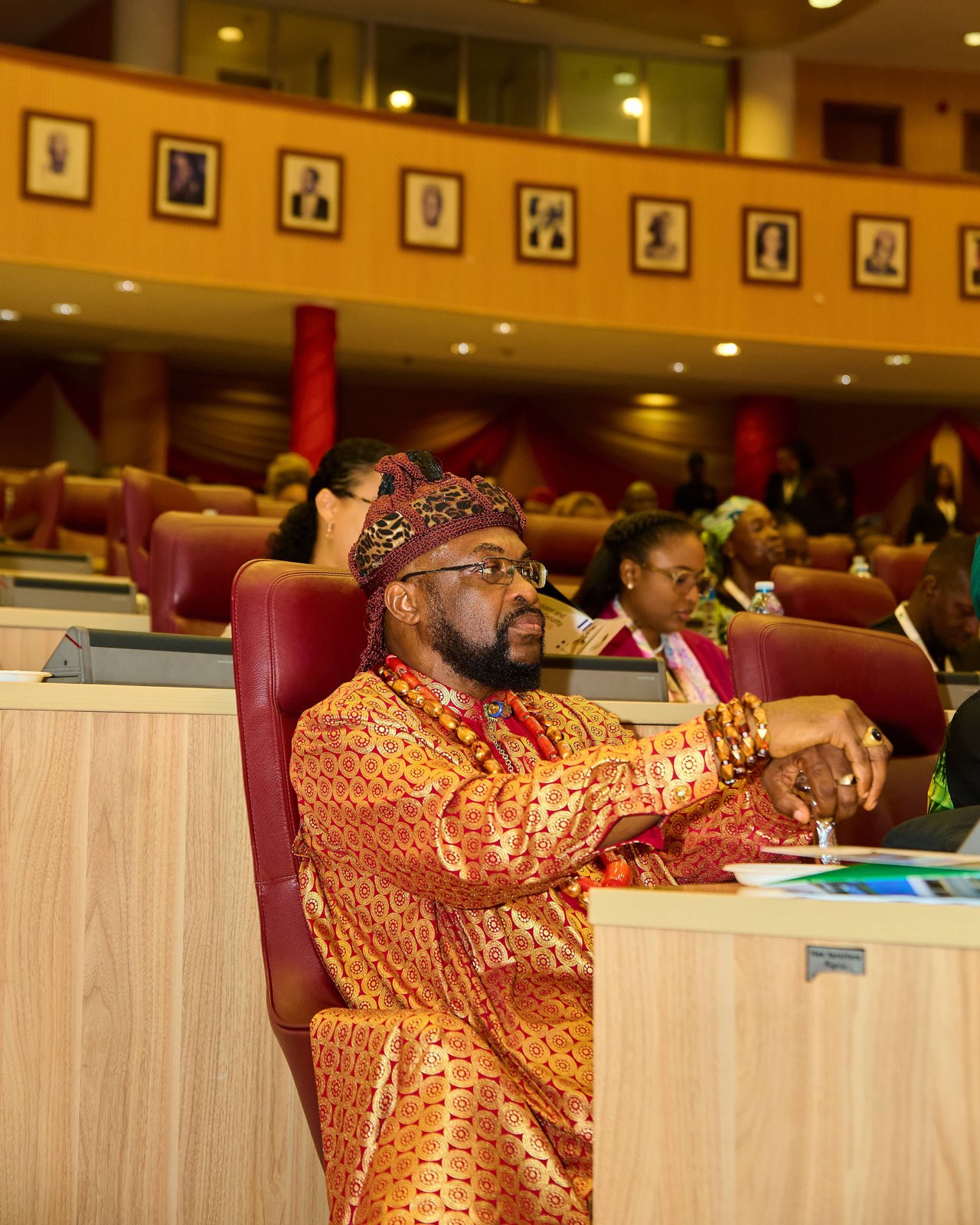
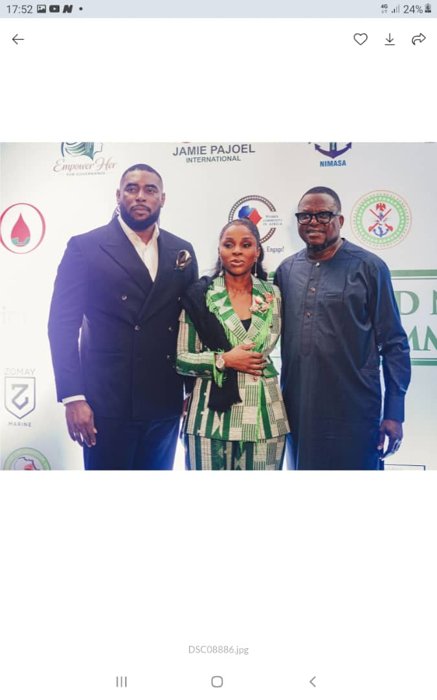
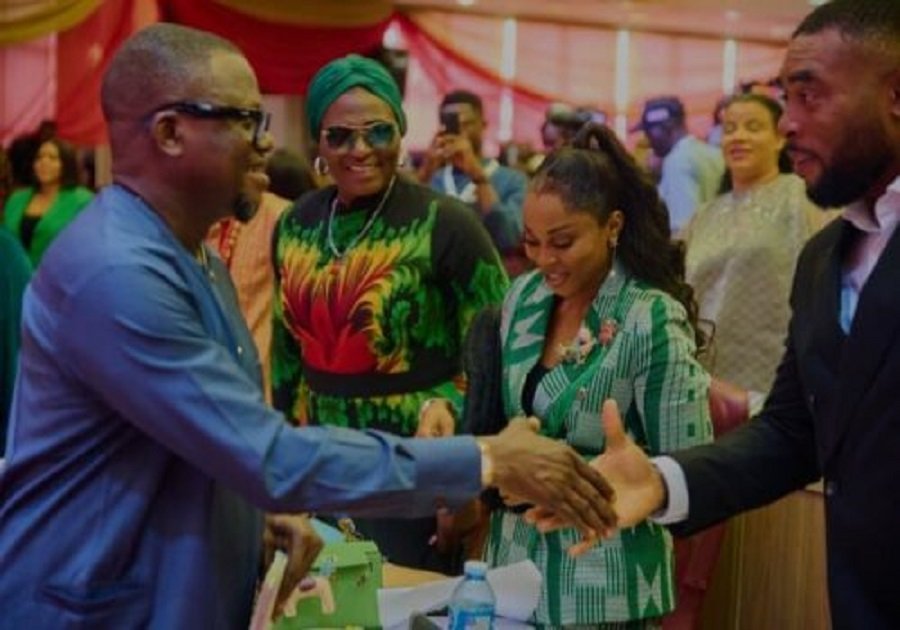
Programme photo gallery
Independent coverage

INSS 2026
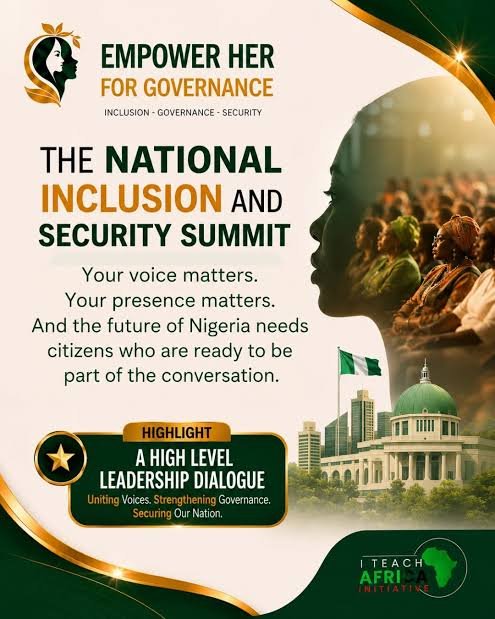
The Inclusion and National Security Summit 2026 was a convening organised by iTeach Africa Initiative and Empower Her for Governance Initiative to connect women’s leadership, inclusive governance, peacebuilding, and national security.
The summit took place on 21 August 2026 at the Rotunda Hall, Federal Ministry of Foreign Affairs, Abuja, Nigeria. The event has concluded.
Advancing Women’s Leadership for Inclusive Governance and Security. The central message was “Inclusion is Security.”
Yes. The summit livestream is available through the embedded player on this page and through the direct YouTube link. It does not autoplay.
Yes. The dramatic film presentation was included in the summit proceedings. It explored girls’ education, violence, justice, family support, and the courage to speak out.
Post-summit engagement included a visit by Programme Director Ms Hadizah Otoro to Mrs Julie Sanda in Jos, where an INSS Award of Excellence was presented. The conversation continues through leadership engagement, storytelling, and the work of Empower Her for Governance.
Contact iTeach Africa to discuss programme partnerships, mentorship, community outreach, or support for women’s leadership and inclusion.